NATURAL CAPITAL
Responsible Growth, Sustainable Future
Sustainability is not merely a business priority but a core principle that shapes Eureka Forbes’ long-term strategy and operational approach. As the Company progresses from turnaround to take-off, it remains committed to driving responsible growth while preserving the natural environment and creating a sustainable future for generations to come.
The Company continues to integrate environmental responsibility across its business ecosystem through focused efforts in energy efficiency, water stewardship, waste management, and sustainable operations. Guided by its commitment to environmental stewardship and resource conservation, Eureka Forbes is strengthening its approach towards reducing environmental impact, promoting circularity, and supporting biodiversity-conscious practices. Through these initiatives, the Company aims to build a resilient and future-ready business while contributing meaningfully towards a cleaner, healthier, and more sustainable world.

An Energy Efficient Future
20% share of renewable energy in FY26; 4% reduction in GHG emissions in FY26

Enabling a Plastic-Free Future
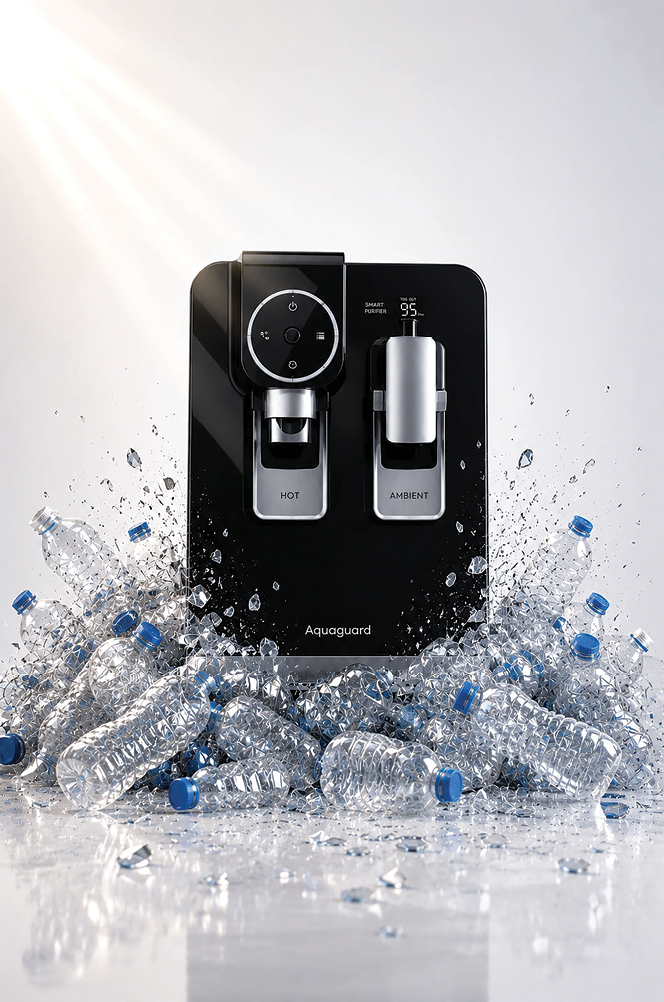
One water purifier = 12,000 plastic water bottles of 500 ml each saved

Water Stewardship & Conservation
100% waste water recycled; Zero Liquid Discharge (ZLD) at both manufacturing facilities

Compliant Waste Disposal
Responsible waste disposal practices; 1,000+ MT of plastic and e-waste diverted from landfills

Sustainable Packaging
Over 50% of product portfolio has adopted sustainable honeycomb packaging
LCA Assessment
LCA for water purifiers carried out in accordance with ISO 14040:2006 and ISO 14044:2006 standards
Building an Energy-Efficient Future
Eureka Forbes continues to strengthen its commitment towards energy conservation and sustainable operations through focused investments in energy-efficient technologies and operational optimisation initiatives. The Company has undertaken multiple measures aimed at improving energy performance and reducing overall energy intensity across its manufacturing and operational ecosystem.
Some of the key initiatives undertaken during the year included the installation of rooftop solar systems at both manufacturing facilities, increasing the use of clean and renewable energy to meet operational needs. The Company also continued to improve energy efficiency across its operations through the deployment of High-Volume Low-Speed (HVLS) fans, LED lighting retrofits, energy-efficient compressors equipped with Variable Frequency Drives (VFDs), and advanced HVAC systems.
These initiatives reflect Eureka Forbes’ ongoing focus on responsible resource utilisation, reduction of environmental impact, and advancement of its broader sustainability and natural capital objectives.
4%
Reduction in GHG Emissions
The Company remains committed to reducing its greenhouse gas (GHG) emissions and enhancing energy efficiency across its operations as part of its broader sustainability agenda. During FY26, Eureka Forbes continued to monitor and manage its Scope 1 and Scope 2 emissions through improved operational practices, energy conservation initiatives, and responsible resource utilisation across its facilities. Building on the progress achieved in the previous year, the Company remains focused on minimising its carbon footprint while supporting long-term climate resilience and sustainable business growth. Regular monitoring of emission intensity metrics enables the Company to identify opportunities for further improvement and align its environmental performance with evolving sustainability expectations and regulatory requirements.
During the year, the Company achieved a 4% reduction in GHG emissions (Scope 1 and Scope 2), with total emissions declining from 972 tCO2e in FY25 to 933 tCO2e in FY26.
This was driven by increased adoption of renewable energy, implementation of energy-efficient technologies, and continuous optimisation of manufacturing processes.
Enabling a Plastic-Free Future
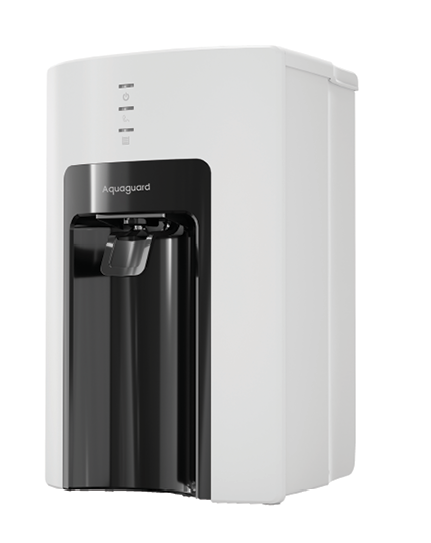
Using a water purifier can significantly reduce dependence on single-use plastic bottles and contribute to a cleaner environment. On average, one water purifier can help eliminate the consumption of nearly 12,000 plastic water bottles of 500ml each annually, reducing plastic waste and supporting more sustainable lifestyle choices. By encouraging access to safe drinking water at home, Eureka Forbes continues to promote environmental responsibility while advancing healthier and more sustainable living practices.
12,000
plastic water bottles of 500ml each can be eliminated every year by using a water purifier
Water Stewardship & Conservation
Eureka Forbes continues to strengthen its commitment towards responsible water management through focused conservation initiatives, water recycling practices, and operational efficiency improvements across its manufacturing facilities. The Company regularly monitors and assesses water consumption patterns to identify opportunities for improving water efficiency and minimising freshwater usage across operations.
As part of its sustainable water management approach, both manufacturing facilities of Eureka Forbes are Zero Liquid Discharge (ZLD) facilities, supported by Sewage Treatment Plants (STPs) and Effluent Treatment Plants (ETPs). Treated water is recycled and reused within the premises for gardening, flushing, and road cleaning applications, significantly reducing dependence on freshwater resources. The Company also continues to support groundwater recharge through rainwater harvesting systems installed across its facilities.
The Company has implemented several other initiatives to further strengthen water conservation efforts. These include the use of process RO reject water for toilet flushing and the installation of dedicated electromagnetic flow meters for real-time water monitoring and leakage detection. In addition, the Company redesigned the system architecture and optimised the firmware and control logic of the auto-flushing technology in its institutional RO product portfolio. The enhancement significantly reduced the frequency and duration of membrane auto-flush cycles while retaining the functional benefits of improved membrane life, fouling prevention, and operational efficiency. The initiative also enabled compliance with BIS requirements of ≥40% water recovery, while improving overall system performance, enhancing water utilisation efficiency, and supporting sustainable water management practices.
The Company also continues to promote awareness around responsible water usage through employee engagement and sustainability training programmes focused on resource conservation and environmental stewardship. These measures demonstrate Eureka Forbes’ commitment to responsible water stewardship, operational excellence, and sustainable environmental practices.
Responsible Waste Management
Eureka Forbes continues to strengthen its waste management practices through a structured approach focused on reduction, reuse, recycling, and responsible disposal. The Company remains committed to minimising environmental impact by promoting efficient resource utilisation and adopting sustainable waste and water management practices across its operations.
Both manufacturing facilities are equipped with sewage and effluent treatment plants, enabling treatment and reuse of wastewater for gardening and other non-potable applications. The Company also works with authorised and certified vendors for the safe and compliant handling of various waste streams, including biomedical waste.
As part of its focus on sustainable product innovation, Eureka Forbes has introduced mercury-free UVC LED modules that support chemical-free and environmentally responsible water disinfection solutions. Further, the Company follows regulatory norms for waste segregation, hazardous waste disposal, and extended producer responsibility frameworks, thereby reducing risks to local biodiversity.
Advancing Circularity Through E-Waste & Plastic Waste Management
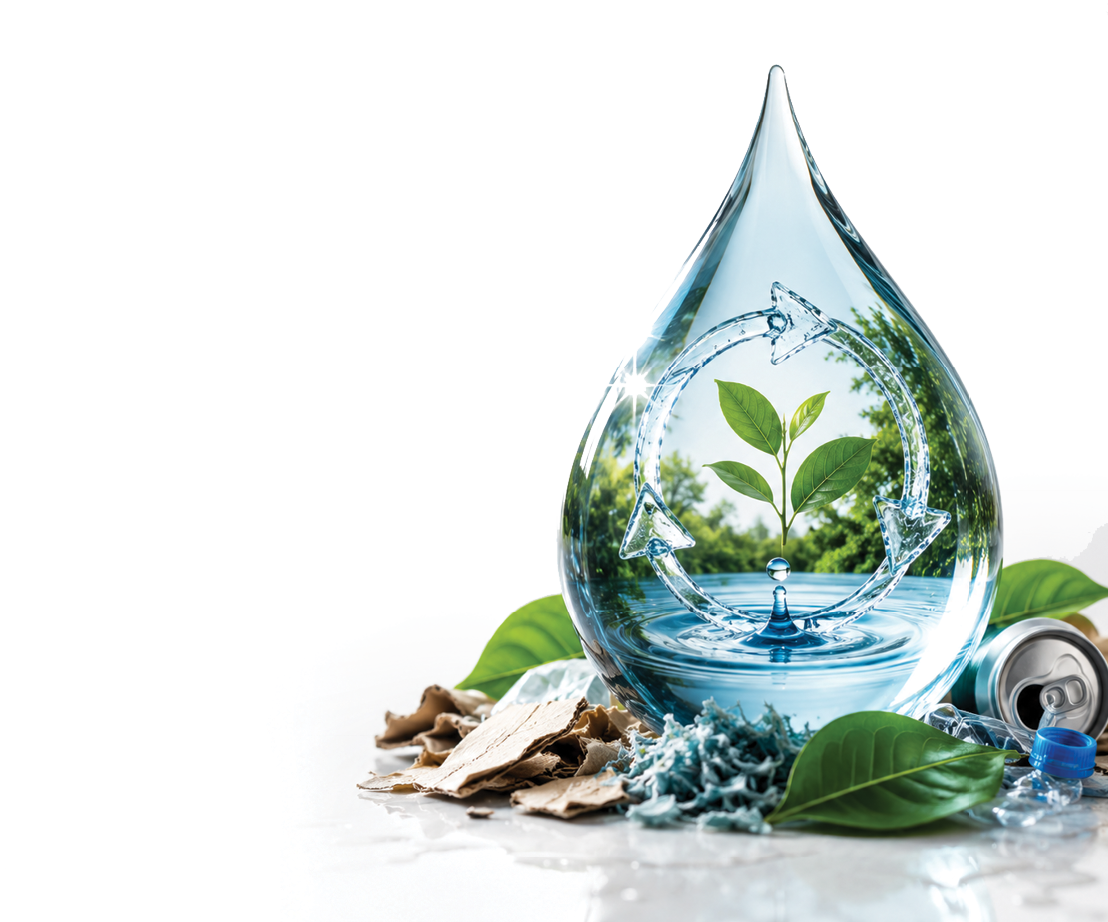
The Company continued to strengthen its commitment to environmental sustainability during FY26 through responsible management of electronic and plastic waste, supporting the transition towards a circular economy and resource conservation. In collaboration with authorised recyclers and CPCB-approved hazardous waste handlers, the Company maintained a transparent and compliant framework for the safe collection, processing, and recycling of end-of-life materials. During the year, more than 1,000 metric tonnes of combined E-waste and plastic waste were successfully collected and processed, diverting significant volumes from landfills and enabling the recovery of valuable secondary resources while minimising environmental contamination risks. The Company also remained fully compliant with all applicable Extended Producer Responsibility (EPR) requirements, supported by robust end-toend tracking mechanisms that ensure post-consumer waste is channelised through formal collection systems and processed using environmentally responsible recycling and resource recovery practices.
1,000 MT+
Electronic and plastic waste diverted from landfills in FY26

Introduction of Green Packaging
As part of its commitment to sustainable and green packaging, the Company has been actively working to reduce the use of thermocol buffers by promoting recyclable alternatives, such as pulp buffers and Expanded Polyethylene (EPE). Pulp packaging offers several environmental advantages, including zero manufacturing waste and 100% recyclability. Building on last year’s progress, the Company has further advanced its efforts by initiating the transition to eco-friendly honeycomb packaging. In the first phase of this initiative, over 50% of the product portfolio has successfully adopted this sustainable packaging solution, reinforcing the Company’s dedication to environmental responsibility and circular economy practices.
50%+
Product Portfolio Adopted Sustainable Packaging

Green Company Certification
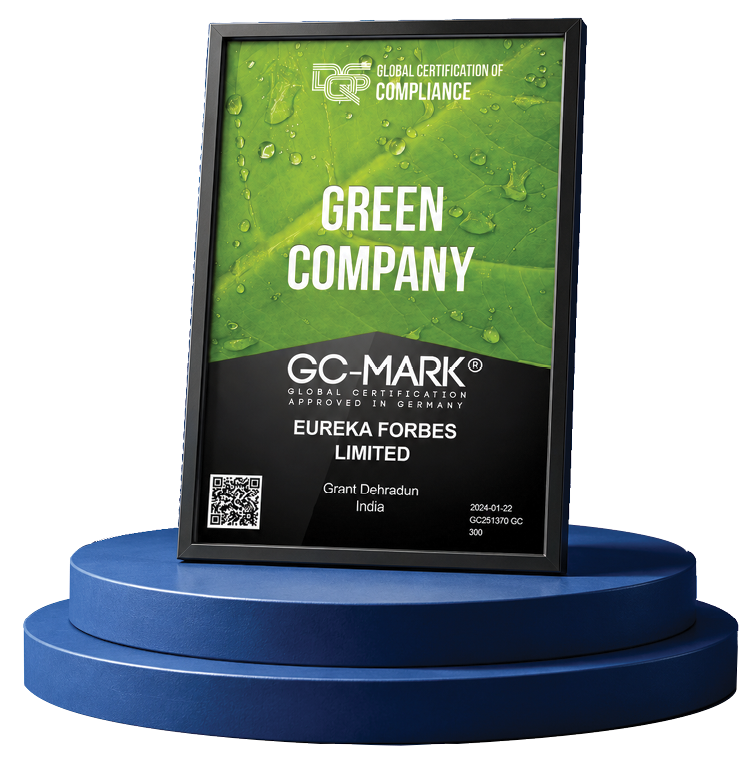
Reinforcing its commitment to responsible manufacturing and environmental stewardship, both manufacturing facilities have been awarded the GC-Mark “Green Company” certification. The certification recognises the Company’s effective environmental management systems and its structured approach towards identifying, managing, and reducing environmental impacts across operations.
The certification underscores the Company’s focus on strengthening sustainable manufacturing practices through improved environmental risk management, continuous performance monitoring, and enhanced resource efficiency. It also reflects the commitment towards reducing emissions, minimising waste generation, and aligning operations with recognised sustainability and environmental compliance standards.
Lifecycle Assessment for Sustainable Product Design
As part of its commitment to strengthening environmental stewardship and sustainable product development, Eureka Forbes conducted a Life Cycle Assessment (LCA) for water purifiers manufactured at its facilities. The assessment was carried out in accordance with ISO 14040:2006 and ISO 14044:2006 standards.
The Cradle-to-Gate assessment evaluated the environmental performance of the product across upstream material sourcing and manufacturing processes, with focus areas including material consumption, energy and fuel usage, water utilisation, process efficiency, and waste generation. The study aimed to identify key environmental impact areas and support informed decision-making towards improving the product’s sustainability profile. Through such initiatives, Eureka Forbes continues to integrate sustainability considerations into product design and manufacturing while advancing responsible resource management and long-term environmental performance.
Environmental Awareness & Community Engagement Initiatives
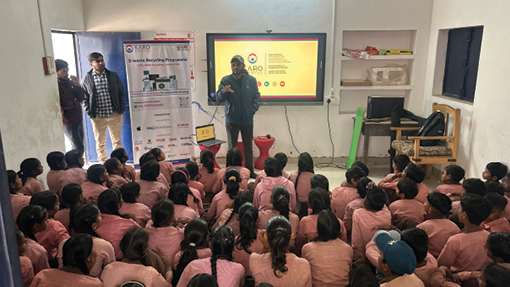
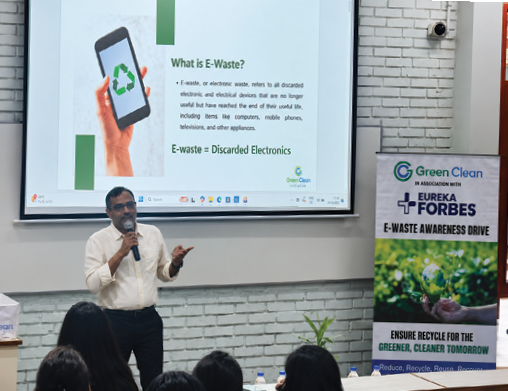
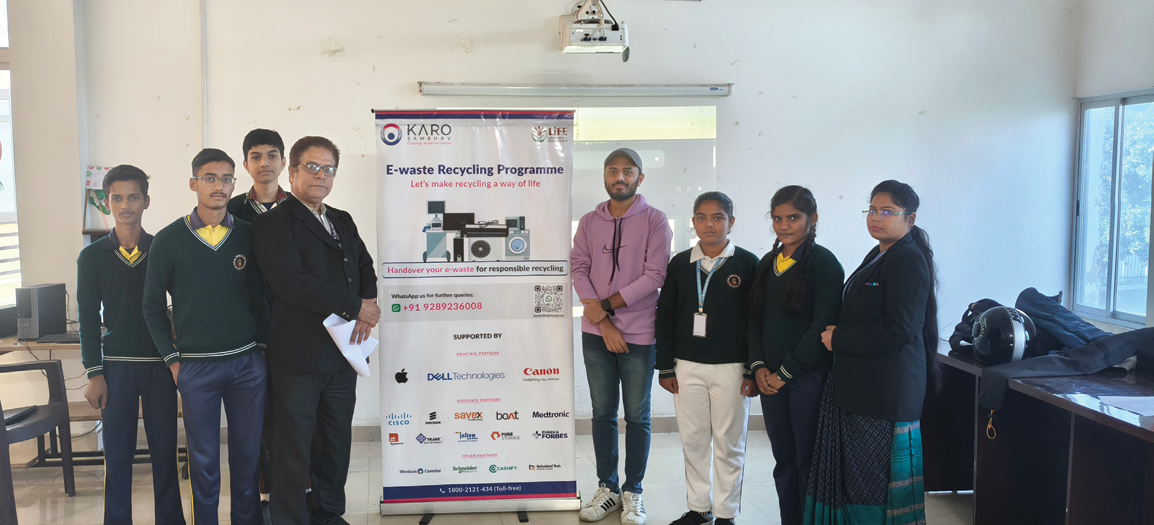
The Company recognises that sustainable environmental outcomes require active community participation and increased public awareness. During FY26, it implemented a series of Information, Education, and Communication (IEC) initiatives aimed at promoting responsible waste management practices, environmental stewardship, and circular economy principles among students and young citizens. Through outreach programs conducted across schools, universities, and technical institutions, the Company educated participants on the importance of source segregation, responsible disposal of electronic waste, recycling processes, and the environmental and health risks associated with improper waste handling. The Company recognises that sustainable environmental outcomes require active community participation and increased public awareness.