Tips on Managing Pet Hair When You Have Pets at Home
PUBLISHED ON: 17-Oct-2026
Key Takeaways
- Pet hair travels easily through the air and settles down on floors, curtains, clothes, even walls.
- Regular brushing reduces shedding at the source.
- A vacuum cleaner’s attachments matter more than how often you run it.
- Sofas, carpets, and clothes each need a different cleaning technique. One tool won't do it all.
If you live with a pet, you already know the drill. Hair on the sofa. Hair on your black trousers, somehow, even though the cat or dog has never sat on that chair. Hair on the curtains, which makes no sense until you think about it for a second. Keeping pet hair under control is actually a combination of small habits, the right tools, and knowing that your carpet and your couch need different treatment.
This informative blog will answer all your questions about managing pet hair at home.
Why Pet Hair Spreads So Easily Around the House
Pet hair is light and holds a static charge, so it doesn't just fall and sit; it clings. Fabric, upholstery, even bare walls. Turn on a ceiling fan or the AC, and that hair gets picked up and carried across the room, which is how it ends up on a cushion nowhere near where your dog naps.
Fabric type plays a role too. Wool and velvet grab hair the moment it touches down, while smoother, tighter weaves let most of it slide right off. That's the real reason hair turns up on curtains and clothes and not just the floor near the pet bed.
Daily and Weekly Habits that Reduce Shedding at the Source
The easiest way to deal with pet hair is to stop most of it from landing on your furniture in the first place, and that starts with brushing.
- Short-haired dogs and cats generally do fine with a rubber brush two or three times a week.
- Long-haired or double-coated breeds need more attention, ideally a daily pass with a slicker brush or de-shedding tool to catch loose undercoat before it works its way onto your sofa.
It is always better to brush your pet’s hair in areas with a hard floor, such as on a balcony or in a bathroom. Once you’re done with brushing, deep clean the area with a vacuum cleaner to pick up the hair that didn’t end up in a brush. With this, you can make sure pet dander doesn’t travel throughout your home.
During shedding season, brush a little more often than usual. It also helps to wipe your pet down after walks. You can use a damp cloth or a grooming glove over the coat to catch loose hair and dander before they hop onto the bed or sofa. It takes only a couple of minutes, but it saves you from a much bigger cleanup later.
Choosing the Right Cleaning Tools for Pet Hair
While choosing a vacuum cleaner for home, make sure it also handles pet hair effortlessly. A basic model tends to skim over carpet, leaving hair wound around the brush roll or buried in the fibres, and you end up pulling it out by hand every other week.
Vacuums with a motorised brush roll do a better job. The brush actively agitates the carpet or upholstery instead of just passing suction over it, which lifts hair that is buried deep into the pile.
Suction strength matters too, especially on thicker rugs, as they need high suction power to clean. Then there's filtration. Vacuum cleaners with HEPA filters trap fine particles like dander instead of blowing them back into the air, which makes a real difference if anyone in the house deals with allergies.
Bagless models are generally more convenient for pet owners since you can see exactly how much hair has built up and empty it as needed, rather than waiting on a bag to fill.
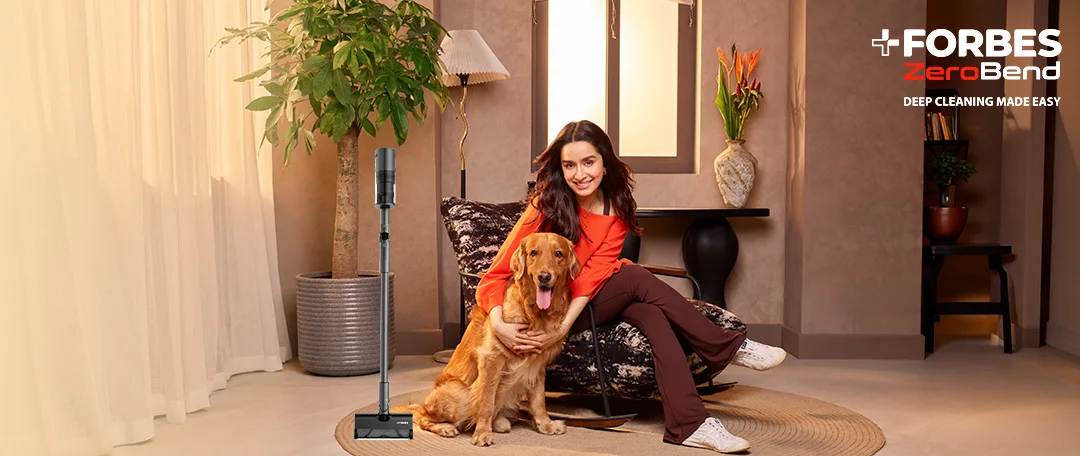
If you want flexibility for quick spot-cleaning between full vacuum sessions, a handy vacuum cleaner such as a cordless option is worth considering too. For example, the Eureka Forbes Cordless ZeroBend Z15 Vacuum Cleaner is designed for quick cleanups, making it suitable for managing pet hair.
Tackling Hair on Furniture, Carpets, and Clothes Separately
Different surfaces call for different tools. Trying to use one method everywhere usually means mediocre results across the board.
- Furniture and upholstery: A rubber glove or a rubber-tipped brush works well here. Run in one direction; it lifts hair a standard vacuum nozzle tends to miss.
- Carpets and rugs: Switch your vacuum to its carpet setting and go over busy areas in both directions. Hair buried deep in the pile often needs a second pass.
- Clothes: A lint roller works for quick touch-ups before you head out. For a deeper clean, run clothes through the dryer on a no-heat, air-only cycle with a dryer sheet first. It loosens hair before you wash, so it doesn't stick around in the load.
Simple Habits that Keep the Whole House Fresher
A handful of small habits go a long way. These include:
- Washing your pet's bedding weekly. Otherwise, it just becomes another source of hair spreading around the house.
- When the weather allows, groom outside instead of in the living room. It keeps loose fur from settling indoors at all.
- Vacuum furniture and floors every couple of days with a vacuum cleaner, not just when it looks bad, so hair doesn't build up in carpets and upholstery.
- Keep a lint roller or pet-hair brush somewhere you'll actually use it, by the front door or near the sofa, so a quick touch-up becomes easier instead of a chore you keep putting off.
None of these takes much effort on their own, but together they cut down noticeably on what builds up between cleaning sessions.
Conclusion
Managing pet hair really comes down to three things: catching shedding early through grooming, using tools built for the job, and treating each surface differently instead of relying on one method for everything. Do these consistently and pet hair stops being a constant fight and just becomes something you manage in the background.
Frequently Asked Questions (FAQs)
How often should I groom my pet to reduce shedding?
Short-haired pets usually need brushing two to three times a week. Long-haired or double-coated pets do better with daily brushing, especially during shedding season.
Can pet hair affect indoor air quality?
Yes. Pet hair carries dander and allergens that circulate indoors, which is why HEPA filtration in a vacuum is a must. It helps trap them instead of blowing them back out.
Which is the best vacuum cleaner for pet hair?
Look for a motorised brush roll, strong suction, and HEPA filtration. Together, these three features do the most to lift and trap embedded pet hair.
What are the most effective tools to remove pet hair from furniture and car seats?
Rubber-tipped brushes, damp rubber gloves, and lint rollers all work well on furniture and car seats, picking up hair that vacuum nozzles often leave behind.
