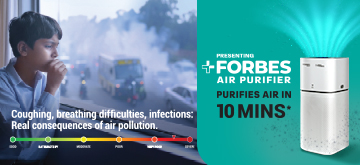
Coughing, Breathing Difficulties, Infections: Real Consequences of Delhi's Air Pollution
PUBLISHED ON: 02-Feb-2026
Delhi’s air pollution is no longer a seasonal problem. For many residents, constant coughing, breathing difficulties, irritated eyes, and recurring infections have become part of everyday life. Stepping outside feels risky on most days, even with an N95 mask, and staying indoors no longer guarantees clean air. As pollution levels continue to rise year after year, the strain on respiratory health has become impossible to overlook.
This concern is backed by hard data. According to IQAir’s 2024 report, Delhi ranked among the world’s most polluted cities in 2023, a trend that carried into the winter of 2024-25. During this period, the city recorded some of India’s highest average PM2.5 levels, far exceeding safe limits.
But beyond the numbers and rankings, the real impact of air pollution is being felt in homes, offices, and lungs across the city, raising urgent questions about how people can protect their health in an environment that’s growing harder to breathe in.
The Growing Problem of Air Pollution in Delhi
Delhi has long struggled with air pollution, with the AQI (Air Quality Index) frequently exceeding 400, which is classified as severely hazardous for everyone. Multiple everyday sources contribute to this persistent problem: ·
- Vehicular emissions: Heavy traffic releases fine particles and harmful gases into the air.
- Industrial activity: Factory emissions add pollutants that degrade air quality.
- Construction dust: Ongoing construction generates large amounts of fine dust that spreads easily. ·
- Seasonal biomass burning: Crop residue burning during certain months worsens pollution levels.
- Winter weather conditions: Low wind speeds and temperature inversion trap pollutants near the ground, intensifying smog.
While outdoor pollution is visible and widely discussed, its impact indoors often goes unnoticed. Fine particulate matter, especially PM2.5, is microscopic and easily enters homes through windows, doors, and ventilation systems. This means indoor air in densely populated areas can be nearly as polluted as outdoor air, making indoor air management just as crucial as taking outdoor precautions.
Why Indoor Air is an Overlooked Health Risk
Many people assume that staying indoors, keeping doors locked, windows shut, and limiting outdoor exposure is enough to protect against polluted air. However, studies show that indoor air quality in Delhi homes can still be severely compromised. Long-term exposure to airborne pollutants, especially in poorly ventilated spaces, allows harmful particles such as PM2.5, dust, and chemical residues to accumulate indoors over time. As these pollutants circulate and settle, indoor air quality gradually worsens, increasing health risks even for those who remain indoors.
This pictures the importance of using an air purifier at home. Without active filtration, indoor air continues to carry dust, smoke, allergens, bacteria, and other pollutants that can directly impact health. A reliable room air purifier helps reduce this exposure by continuously removing harmful particles and keeping indoor air cleaner.
The Immediate Effects of Air Pollution on Human Health
Air pollution can have noticeable impacts on human health even with short-term exposure. Common immediate effects include:
- Persistent coughing and throat irritation
- Burning, watery, or itchy eyes
- Headaches, dizziness, and fatigue
- Shortness of breath or mild chest tightness
- Sneezing or nasal congestion
- Irritated skin in sensitive individuals
Children, the elderly, and people with asthma or allergies are particularly vulnerable to these causes of pollution. These symptoms occur as the body reacts to irritation and inflammation caused by inhaling polluted air.
Long-Term Health Impacts of Air Pollution
Beyond immediate symptoms, the long-term impacts of air pollution can be far more serious. Fine particulate matter like PM2.5 can penetrate deep into the lungs and even enter the bloodstream. Prolonged exposure increases the risk of chronic health issues, including:
- Stroke
- Ischaemic heart disease
- Chronic obstructive pulmonary disease (COPD)
- Lung cancer
- Pneumonia
- Cataracts
Research shows that people living in highly polluted cities like Delhi face higher risks of asthma, respiratory inflammation, reduced lung function, and even cancer. These long-term effects make clean indoor air a necessity rather than a luxury.
This is where a HEPA air purifier becomes essential. True HEPA filters can capture up to 99.97% of airborne particles, including PM2.5, dust, smoke, pollen, and microbes. By continuously removing these fine particles from indoor air, a HEPA air purifier helps reduce long-term exposure and supports healthier breathing indoors.
Who Is Most at Risk?
While air pollution affects everyone, certain groups are more vulnerable:
- Children, whose lungs are still developing
- Elderly individuals, especially those with existing heart or respiratory conditions
- Pregnant women, as exposure can affect foetal development
- Outdoor workers, who face prolonged daily exposure to polluted air
- People with asthma, allergies, or other respiratory conditions
- Individuals with weakened immune systems or chronic illnesses
These groups are more likely to experience both immediate discomfort and long-term health complications from polluted air, making protective measures especially important.
How to Protect Yourself from Rising Air Pollution
Here are some major ways to do that: ·
- Use an air purifier to continuously remove PM2.5 particles, dust, and other pollutants from indoor air. Make sure to choose one that matches your room size, filtration efficiency, and usage patterns.
- Keep windows closed during peak traffic hours, smog, or high AQI periods.
- Maintain indoor cleanliness with regular vacuuming to reduce settled dust and allergens.
- Check daily AQI levels from reliable sources and limit outdoor activities on days with severe pollution.
Forbes Air Purifiers Designed for Homes in Delhi
Forbes air purifiers feature advanced True HEPA H13 filtration, capable of capturing PM2.5 and ultra-fine pollutants, making them well-suited for homes facing Delhi’s high pollution levels. Here are two strong options:
1. Forbes Smart 500 Surround 360° Air Purifier
- PM2.5 & HEPA Protection: Equipped with a True HEPA H13 filter that removes up to 99.97% of PM2.5 particles, dust, smoke, and allergens, supported by plasma filtration for enhanced purification.
- Room Coverage: Suitable for large living spaces up to 670 sq. ft., ideal for living rooms and open areas.
- Advanced Features: Surround 360° air intake technology, smart app control, AI mode, real-time PM2.5 display, sleep mode, and a 4-stage filtration system including activated carbon for odour and gas reduction.
2. Forbes 270 Surround 360° Air Purifier
- PM2.5 & HEPA Protection: True HEPA H13 filter captures fine particles such as PM2.5, dust, and smoke, while the activated carbon filter reduces odours and harmful gases.
- Room Coverage: Designed for spaces up to 365 sq. ft., suitable for bedrooms and medium-sized rooms.
- Advanced Features: Surround 360° air intake, auto and sleep modes, long filter life, and real-time air quality indicators for everyday monitoring.
Both room air purifier models are effective for maintaining cleaner indoor air throughout the day and night.
Conclusion
For many people in Delhi, the effects of air pollution, such as persistent coughing, breathing discomfort, and frequent infections, have become part of daily life. These are not isolated
issues but the result of long-term exposure to polluted air. While outdoor air quality is largely beyond individual control, indoor air is one area where improvement is possible.
A well-chosen air purifier can reduce indoor pollutants and make daily breathing noticeably easier. With effective HEPA filtration, real-time air quality monitoring, and models designed for different room sizes, Forbes air purifiers help maintain cleaner indoor air, providing a practical layer of protection when outdoor pollution levels remain high.
Frequently Asked Questions (FAQs)
Does an air purifier help in Delhi pollution?
Yes, an air purifier can significantly reduce indoor pollution in Delhi by removing PM2.5 particles, dust, smoke, and allergens, improving overall indoor air quality.
Which air purifier is best for Delhi?
The best air purifier for home depends on your room size and usage. Compact models like the Forbes 150 are ideal for bedrooms, while Forbes Smart 355 and Smart 500 are suited for larger living rooms or open spaces. All are effective against Delhi’s high pollution levels.
Does a DIY air purifier work?
DIY air purifiers may help reduce some particles, but they have limited filtration and airflow. They cannot effectively handle high pollution levels or consistently maintain long-term indoor air quality.
