The Basics of Water Purification Explained
PUBLISHED ON: 25-Sept-2025
Key takeaways:
- Clear-looking tap water may still contain dissolved salts, microbes, and chemical contaminants, making household water purification essential rather than optional.
- Traditional purification methods like boiling, chlorination, distillation, and activated carbon filtration address limited impurities but cannot handle complex, modern water quality issues alone.
- Combined technologies such as RO, UV, and UF provide more comprehensive protection by targeting dissolved impurities, microorganisms, and sediments together.
- Filter life is a critical yet often overlooked factor, as longer-lasting filters reduce maintenance disruptions, lower recurring costs, and ensure consistent access to safe drinking water.
Did you know, only about three percent of Earth’s water is fresh, and from that, barely 1.2 percent is accessible as drinking water.¹
Clean drinking water is essential for health, and it cannot be taken for granted. Industrial discharge, agricultural runoff, and ageing pipelines can affect water quality, introducing chemicals, microbes, and sediments.
This is why water purification has become a necessity in all households. The purification systems are designed not only to make water pure but also to support everyday well-being by delivering consistent and reliable water quality.
While old purification methods like boiling, distillation, and filtration are reliable for some, they are often insufficient for the complex water quality challenges. This has led to the adoption of advanced purification technologies.
RO, UV, and UF: The Core of Water Purification
Reverse Osmosis (RO)
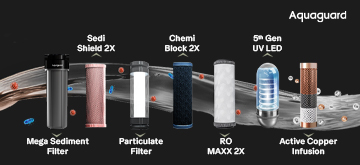
RO, or reverse osmosis, uses a semi-permeable membrane to remove dissolved salts, fluoride, arsenic, nitrates, and heavy metals. It is particularly effective in areas with hard water or high TDS (total dissolved solids). An RO water filter ensures clean water that is safe for long-term consumption.
Ultraviolet (UV) Purification
UV purification uses UV light to deactivate bacteria, viruses, and pathogens. While it doesn’t remove salts or chemicals, it ensures the microbial safety of water. When paired with RO, it forms a powerful combination against both physical and biological contaminants.Ultrafiltration (UF)
UF is a membrane-based filtration method that removes sediments, cysts, and larger microorganisms. It is often used as a supporting stage in multi-layer purification systems.
Together, RO, UV, and UF water purification methods cover most potential contamination types, making them a reliable trio for household water purification.
A major challenge many households face is the frequent replacement of purifier filters, which can be both time-consuming and costly. Short filter life often interrupts daily use, making it harder to consistently enjoy clean, safe water.
Why Filter Life Matters in Purification
Beyond purification performance, maintenance is a crucial factor when choosing a water purifier. Many households face frequent interruptions due to short filter life, leading to inconvenience and recurring expenses.
Aquaguard water purifiers now offer extended filter durability, with some systems providing up to a 2-year filter life. A longer-lasting water filter reduces maintenance effort, ensures uninterrupted access to clean water, and improves overall value when considering the long-term water purifier.
Conclusion
The purification of water is no longer about a single method or a temporary fix, it’s about combining the right technologies to deal with multiple contaminants at once. Traditional methods like boiling or chlorination might still work for emergencies, but in settings where water quality is unpredictable, RO, UV, and UF purification methods have emerged as the gold standard.
In essence, water purification is evolving from being a basic need to a smart, sustainable, and user-friendly process. And with water quality continuing to be a pressing issue worldwide, understanding these basics ensures that every glass of water at home is safe and pure.
When evaluating options, factors such as purification technology, filter life, and overall water purifier price play an important role in choosing a water purifier that delivers long-term value and peace of mind.
Frequently Asked Questions
Why is it important to use advanced water purification methods even if the water looks clean?
Even clear-looking water can contain invisible contaminants such as dissolved salts, bacteria, viruses, pesticides, and heavy metals. Advanced methods like RO, UV, and UF ensure these impurities are removed, making the water truly safe to drink.
How do RO, UV, and UF technologies complement each other?
RO removes dissolved salts and metals, UV ensures microbial safety, and UF filters out sediments and larger microorganisms, offering balanced and reliable purification.
What makes long filter life important in water purifiers?
A purifier with a long filter life, such as 2 years, reduces the hassle and cost of frequent replacements. It ensures consistent purification performance, giving families uninterrupted access to safe, clean water without worrying about sudden filter exhaustion.
Source:
